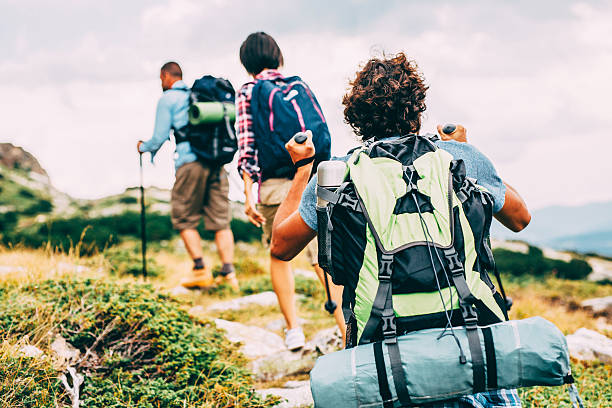
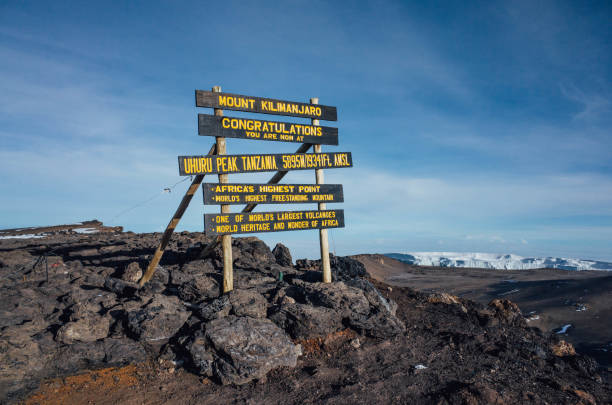
Climbing Mount Kilimanjaro is a dream for many adventurers. Standing at 5,895 meters (19,341 ft), it’s Africa’s tallest mountain and the highest free-standing peak in the world. While reaching the summit is possible for people of varying fitness levels, packing smartly can be the difference between success and turning back.
If you’re preparing for this life-changing journey, this Ultimate Kilimanjaro Packing List will guide you through everything you need to pack—from clothing and gear to personal essentials and optional extras.
Why Packing Correctly Matters on Kilimanjaro
Unlike many treks, a Kilimanjaro climb exposes you to five distinct climate zones:
-
Cultivation Zone (800m – 1,800m) – warm and humid farmland.
-
Rainforest Zone (1,800m – 2,800m) – lush, wet, and muddy.
-
Heather & Moorland Zone (2,800m – 4,000m) – cooler, open landscapes.
-
Alpine Desert Zone (4,000m – 5,000m) – dry, windy, large temperature swings.
-
Arctic Zone (5,000m – 5,895m) – freezing, snow, and glaciers near the summit.
Because of these extreme variations, layering and carrying the right equipment is essential. A single mistake—like not having warm enough gloves—can impact your summit attempt.
The Ultimate Kilimanjaro Packing List
Below is a detailed breakdown of what you should pack, organized by category.
1. Clothing – Layering for All Conditions
Your clothing should follow the layering principle: base layers, insulation, and outer shells.
| Clothing Item | Why You Need It | Recommended Quantity |
|---|---|---|
| Base Layer (Thermal Top & Bottoms) | Keeps you warm by wicking sweat away from the skin. | 2–3 sets |
| Moisture-Wicking T-Shirts | For lower altitudes and layering. | 3–4 |
| Fleece Jacket / Lightweight Insulation | Adds warmth in mid-altitudes. | 1–2 |
| Insulated Down Jacket (800-fill) | Essential for summit night and freezing temperatures. | 1 |
| Softshell Jacket | Windproof and breathable for daytime trekking. | 1 |
| Waterproof Hard Shell Jacket (Gore-Tex or similar) | Protection from rain and snow. | 1 |
| Trekking Pants | Comfortable for walking in variable weather. | 2–3 |
| Thermal Leggings | For layering under pants on cold days. | 1–2 |
| Waterproof Pants (overtrousers) | Keeps you dry during rain or snow. | 1 |
| Gloves (Inner & Outer) | Thin liner gloves + insulated waterproof gloves for summit night. | 2 pairs |
| Warm Hat / Beanie | Essential for cold nights and summit push. | 1–2 |
| Sun Hat / Cap | For sun protection in lower zones. | 1 |
| Balaclava / Buff / Neck Gaiter | Protects from dust, cold, and wind. | 1–2 |
| Underwear | Quick-dry and breathable. | 5–7 |
| Socks (Hiking + Thermal) | Several pairs, with warm ones for summit night. | 5–6 |
Pro tip: Avoid cotton; it retains moisture and makes you cold. Stick to synthetic, wool, or technical fabrics.
2. Footwear – Protect Your Feet
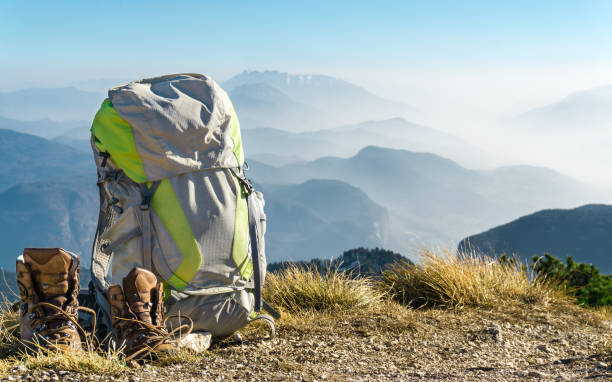
Your feet carry you to Uhuru Peak, so investing in proper footwear is crucial.
| Footwear | Why You Need It |
|---|---|
| Hiking Boots (Waterproof, Broken-In, Ankle Support) | The most important item—choose well-fitting boots you’ve already trained in. |
| Camp Shoes / Sandals | Comfortable for evenings at camp. |
| Thermal Mountaineering Socks | Prevent frostbite during summit push. |
| Gaiters | Keep mud, snow, and dust out of your boots. |
3. Sleeping Gear
While tour operators provide tents and mattresses, you must bring your own sleeping essentials.
-
Sleeping Bag (4-season / -15°C to -20°C rating) – Down bags are warmer and lighter.
-
Sleeping Bag Liner – Adds extra warmth and keeps your bag clean.
-
Inflatable Pillow (optional) – For comfort.
4. Hiking Gear & Accessories
| Gear | Purpose |
|---|---|
| Daypack (30–35L, Waterproof Cover) | For essentials during the day; porters carry the rest. |
| Duffle Bag (90–110L, Waterproof) | For porters to carry your main gear. |
| Trekking Poles (Adjustable, Lightweight) | Reduce strain on knees during ascents and descents. |
| Headlamp (with spare batteries) | Critical for summit night. |
| Water Bottles + Hydration Bladder (3L capacity) | Stay hydrated at all times. |
| Sunglasses (UV400, Category 3–4) | Protection from strong sun at high altitude. |
| Watch or Altimeter | Helps track progress and altitude. |
| Dry Bags / Ziplocks | Protect electronics and clothes from moisture. |
5. Personal Items & Toiletries
| Item | Why You Need It |
|---|---|
| Sunscreen (SPF 50+) | UV rays are stronger at high altitude. |
| Lip Balm with SPF | Prevent cracked lips. |
| Toilet Paper / Wet Wipes | Essential, as facilities are basic. |
| Hand Sanitizer | Prevents illness. |
| Quick-Dry Towel | For personal hygiene. |
| Toothbrush & Toothpaste | Basic hygiene. |
| Deodorant & Small Soap | Keep fresh. |
| Earplugs | Camps can be noisy. |
| Personal First Aid Kit | With painkillers, blister plasters, rehydration salts, altitude sickness tablets (consult your doctor). |
6. Snacks & Energy Boosters
Altitude affects appetite, so bring snacks you enjoy:
-
Energy bars
-
Trail mix (nuts, dried fruits, chocolate)
-
Electrolyte powders/tablets
-
Instant coffee/tea sachets (optional comfort)
7. Important Documents & Money
-
Passport (+ photocopies)
-
Travel Insurance (must cover high-altitude trekking)
-
Vaccination certificate (Yellow Fever if applicable)
-
Visa (check requirements)
-
Cash in USD (for tips and souvenirs)
8. Optional But Useful Extras
-
Lightweight binoculars
-
Camera / GoPro with extra batteries
-
Journal & pen
-
Portable solar charger / power bank
-
Small flag/banner for summit photos
Pro Tips for Packing for Kilimanjaro
-
Pack light but smart – Porters carry 15kg max; weigh your bag in advance.
-
Use the “layering system” – You’ll strip down or add clothing multiple times per day.
-
Break in your boots – Never climb in new footwear.
-
Bring waterproof covers – Rain can surprise you anytime.
-
Double-check summit night gear – Temperatures can drop below -20°C.
Kilimanjaro Packing List – Quick Checklist
Here’s a summarized version you can tick off while preparing:
-
Clothing: Base layers, t-shirts, fleece, down jacket, waterproofs, pants, gloves, hats, socks, underwear.
-
Footwear: Hiking boots, camp shoes, socks, gaiters.
-
Sleeping: 4-season sleeping bag, liner, pillow.
-
Gear: Daypack, duffle, poles, headlamp, water system, sunglasses.
-
Personal: Sunscreen, lip balm, toiletries, towel, sanitizer, first aid kit.
-
Food: Snacks, electrolytes, bars.
-
Documents: Passport, insurance, visa, cash.
-
Extras: Camera, power bank, journal, binoculars.