
Serengeti National Park, located in northern Tanzania, is arguably Africa’s most iconic wildlife destination. Known for its vast savannahs, endless horizons, and the world-famous Great Migration, the Serengeti attracts safari enthusiasts, photographers, and nature lovers from all over the globe.
This guide provides a comprehensive overview of Serengeti National Park, including its history, wildlife, best times to visit, safari experiences, and practical travel tips.
Location: Northern Tanzania, bordering Kenya’s Maasai Mara.
Established: 1951.
Area: Approximately 14,750 square kilometers (5,700 sq miles).
UNESCO Status: World Heritage Site (1981).
Landscape: Expansive plains, rolling hills, rivers, kopjes (rock outcrops), and acacia woodlands.
The name “Serengeti” originates from the Maasai word Siringet, meaning “endless plains,” which perfectly describes its vast, seemingly infinite landscapes.
Serengeti National Park is renowned for its abundant wildlife and is home to Tanzania’s Big Five:
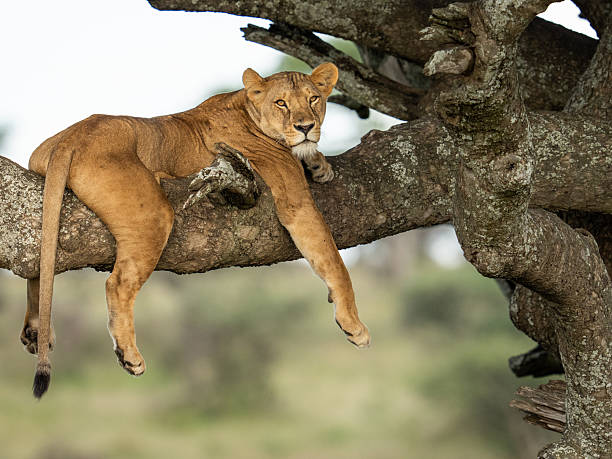
Lion – The park has one of the highest lion densities in Africa.
Elephant – Frequently seen near water sources.
Buffalo – Often in large herds across the plains.
Leopard – Typically found in wooded areas and rocky outcrops.
Rhinoceros – Rarely seen but present in select conservation zones.
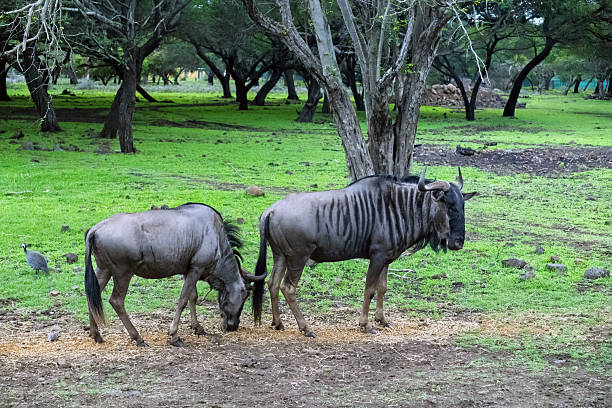
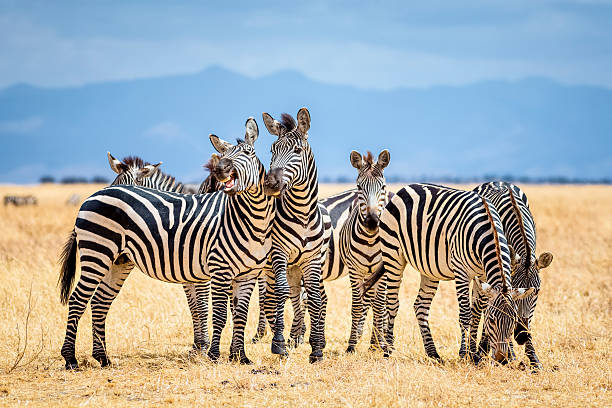
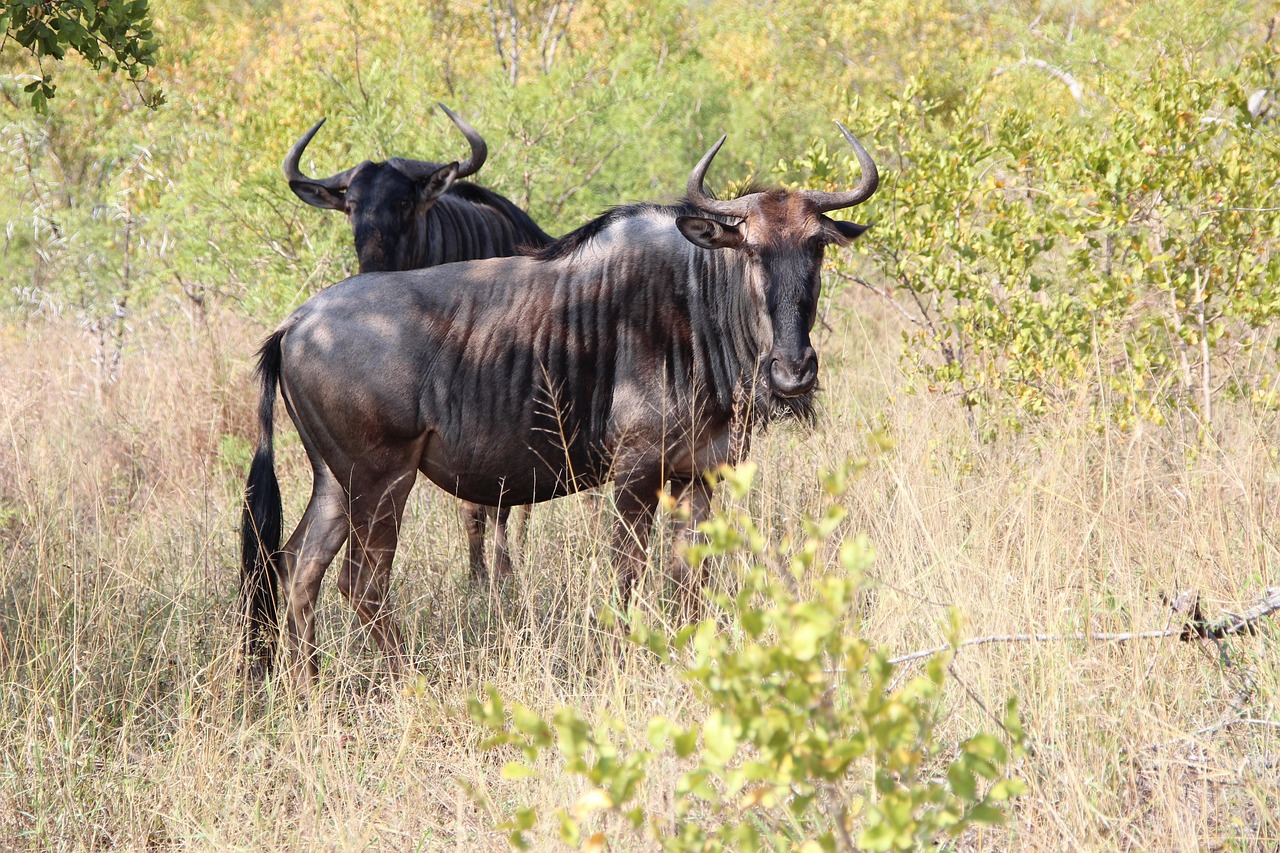
Other notable species: cheetahs, hyenas, giraffes, zebras, wildebeests, hippos, crocodiles, and hundreds of bird species.
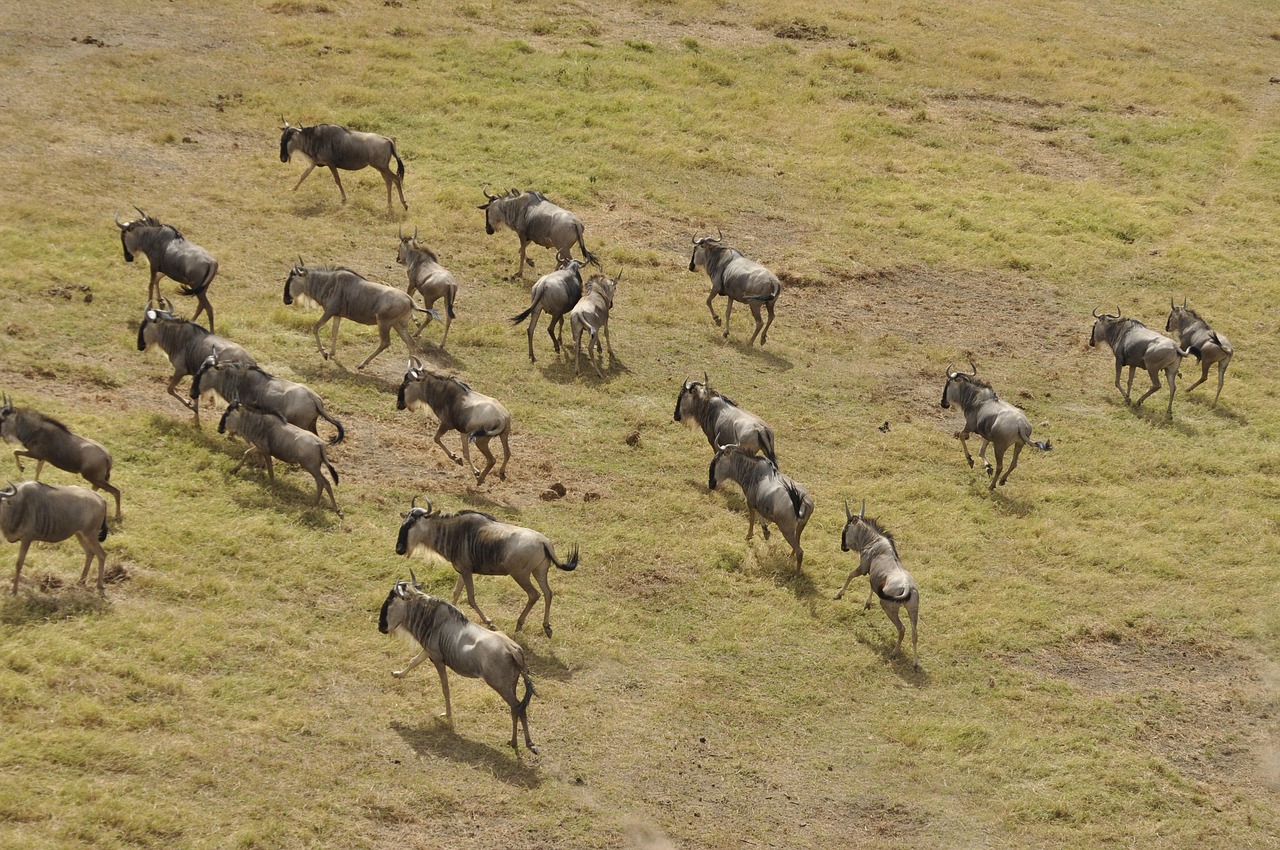
The Serengeti is globally famous for the Great Wildebeest Migration, one of the natural wonders of the world:
Timing:
December – March: Calving season in the Southern Serengeti (Ndutu area).
April – May: Green season, migration moves slowly northward.
June – July: Migration enters Western Serengeti (Grumeti River).
July – September: Mara River crossings into Northern Serengeti and Maasai Mara.
October – November: Migration begins moving south again.
Highlights: Dramatic river crossings with crocodiles, predator chases, and massive herds of wildebeest and zebras.
Morning Game Drives: Best time to spot predators, especially lions and leopards.
Evening Game Drives: Opportunities to see nocturnal species starting their hunt.
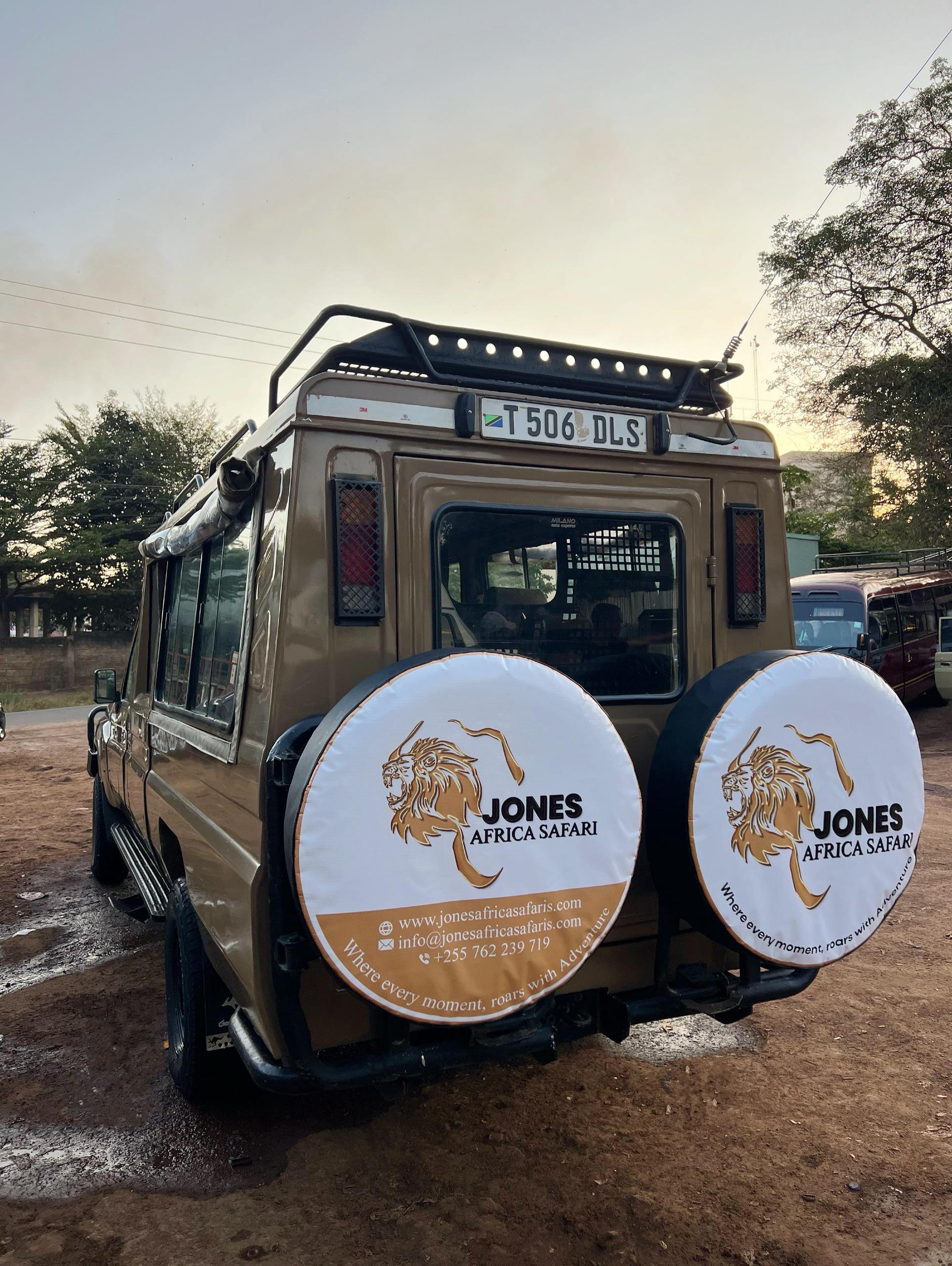
Vehicles: 4×4 safari vehicles with open sides for photography.
Experience: Sunrise balloon rides over the plains offer stunning aerial views of wildlife and landscapes.
Extras: Champagne breakfast in the bush after landing.
Guided walking tours near lodges provide insight into smaller wildlife, tracks, and local ecology.
Serengeti’s vast landscapes and iconic wildlife make it a top destination for professional and amateur photographers.
| Season | Highlights | Wildlife Activity |
|---|---|---|
| Dry Season (June–October) | Peak safari season, easy wildlife spotting | Predators and prey near waterholes, migration crossings |
| Short Rains (Nov–Dec) | Green scenery, fewer tourists | Migration moving south, calving season begins |
| Calving Season (Jan–Mar) | Wildebeest births, predator action | Predators following herds, newborns everywhere |
| Long Rains (Apr–May) | Low season, lush landscapes | Wildlife dispersed, fewer tourists, lower prices |
The park is divided into several key regions, each offering unique safari experiences:
Northern Serengeti – Mara River crossings, popular with photographers and peak season visitors.
Central Serengeti – Open plains, ideal for Big Five sightings.
Western Serengeti – Grumeti River, dramatic migration river crossings.
Southern Serengeti – Ndutu and Ngorongoro conservation area, prime for calving season.
Luxury Lodges: High-end safari lodges with private tents, pools, and bush dining.
Mid-Range Camps: Comfortable tented camps offering guided game drives.
Budget Camping: Public campsites for adventurous travelers.
Most lodges are strategically located near rivers, kopjes, or migration routes for optimal wildlife viewing.
Book Early – Especially during peak season (June–October).
Pack Smart – Light clothing, warm layers for early morning drives, insect repellent, binoculars, and a camera.
Travel Insurance – Strongly recommended for safari adventures.
Combine with Ngorongoro – The Ngorongoro Crater is nearby and often included in Northern Circuit safaris.
Respect Wildlife – Maintain safe distances; never feed or disturb animals.
Iconic Landscapes – Endless plains, acacia trees, and dramatic sunsets.
Unparalleled Wildlife – Big Five, predators, and abundant herbivores.
The Great Migration – Witnessing millions of wildebeest and zebras is a once-in-a-lifetime experience.
Photographer’s Paradise – Perfect for capturing Africa’s wildlife in natural settings.
Serengeti National Park isn’t just a safari destination—it’s a symbol of Africa’s wild heart, offering unforgettable experiences for every traveler.
Verified Lit and awesome My trip to Serengeti and Ngorongoro with Jones Africa Safaris was beyond perfect. They take care of every detail, and their hospitality is top-notch. Book with them and thank me later!Verified The best experience ever❤️ Absolutely unforgettable experience! The team at Jones Africa Safaris was professional,friendly and made us feel safe and cared for through out the trip. Highly recommended for anyone visiting Tanzania!🫶Verified 10/10🔥 Its a 10/10 experience. I’ve never felt so connected to nature and culture🤗Jones Africa Safaris made that possible like you can tell they really love what they do and so do we❤️🔥

At Jones Africa Safaris, every journey roars with adventure. As a premier local tour operator based in Tanzania, we are passionate about showcasing the breathtaking beauty, rich culture, and diverse wildlife of our homeland.
Get in touch with our tour & trip accommodation provider.

Copyright © 2025. Powered By TanzaniaSEOspecialist.com