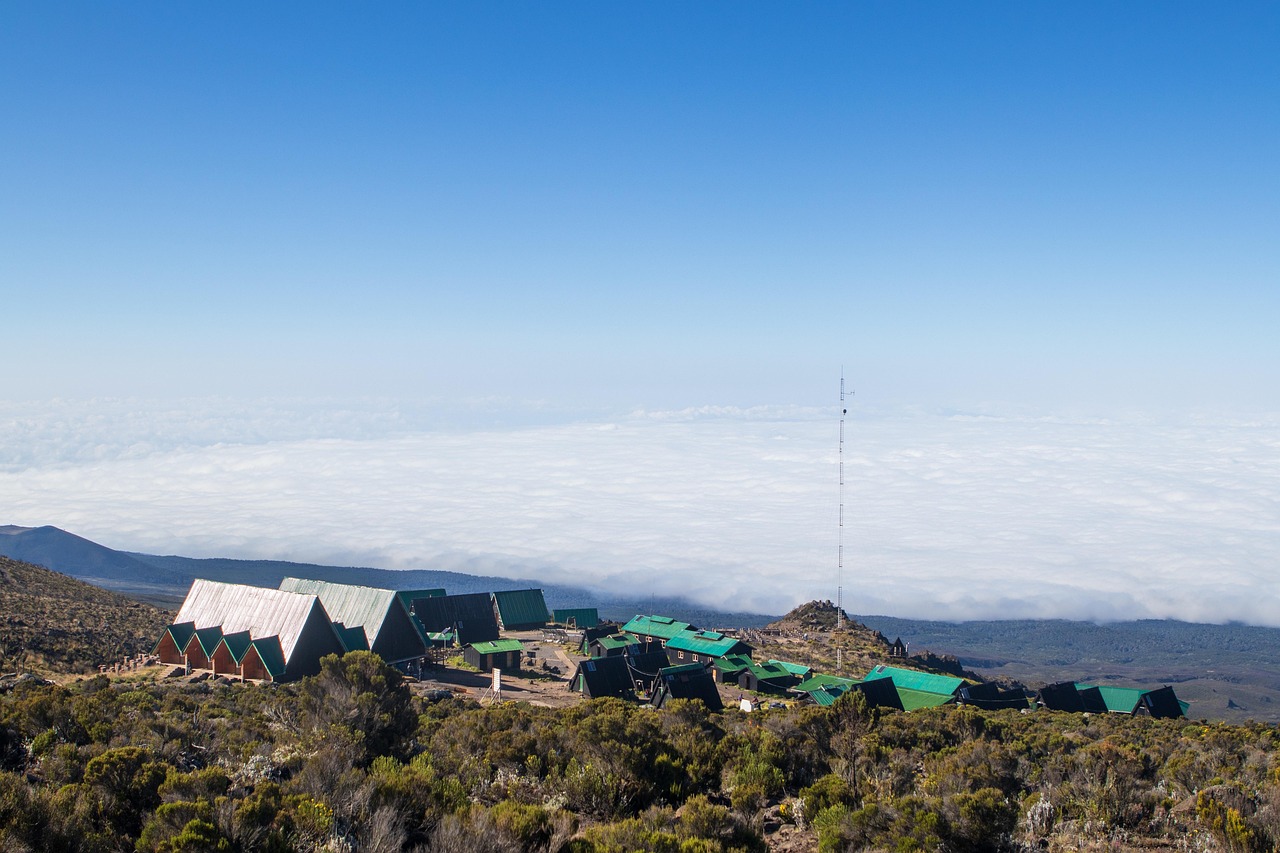
Ngorongoro Crater: The World’s Largest Unbroken Caldera

Back 👉 Home

Ngorongoro Crater: Top Safari Destination

The Ngorongoro Crater, located in northern Tanzania, is one of Africa’s most spectacular natural wonders. Often called the “Garden of Eden” of East Africa, this massive volcanic caldera is renowned for its dense wildlife population, breathtaking scenery, and unique ecosystem. It is a must-visit destination for anyone on a Tanzanian safari.

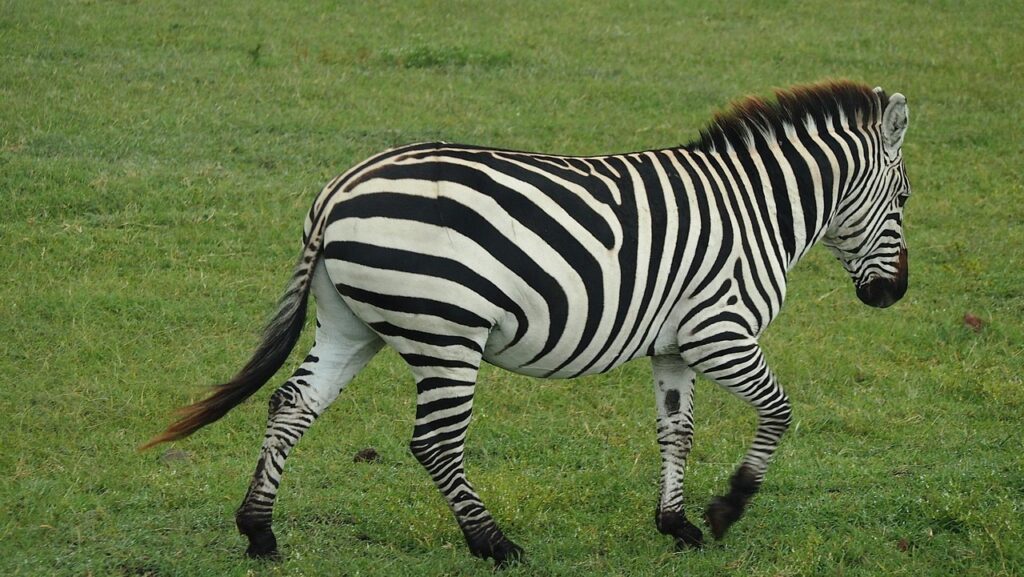
https://jonesafricasafaris.com/4-days-tanzania-safari-itinerary/ Ngorongoro Crater

Overview of Ngorongoro Crater

  • Location: Northern Tanzania, near the town of Karatu.

  • Area: Approximately 264 square kilometers (102 square miles).

  • Formation: Formed about 2–3 million years ago when a giant volcano exploded and collapsed.

  • UNESCO World Heritage Site: Designated in 1979.

  • Elevation: Crater floor ~1,800 meters (5,900 ft) above sea level; rim ~2,200 meters (7,200 ft).

The Ngorongoro Conservation Area (NCA) surrounds the crater, combining wildlife conservation with Maasai cultural heritage, allowing local communities to live and graze cattle sustainably.


Wildlife in Ngorongoro Crater

Ngorongoro Crater is home to one of the densest populations of wildlife in Africa, hosting almost all species found in the Serengeti ecosystem, including:

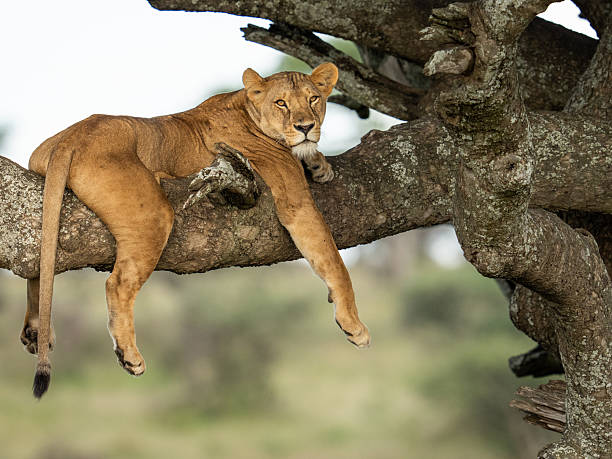
  • Big Five: Lion, Elephant, Leopard, Buffalo, Rhinoceros.

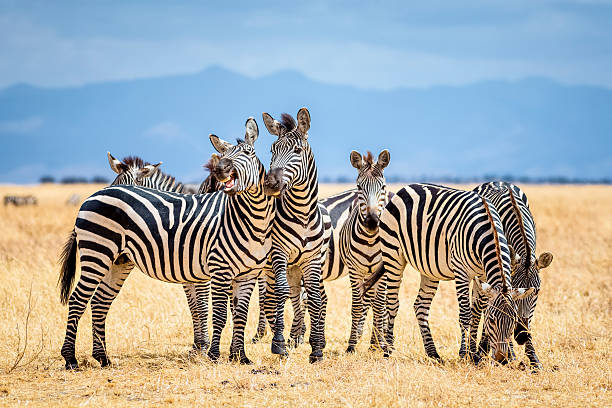
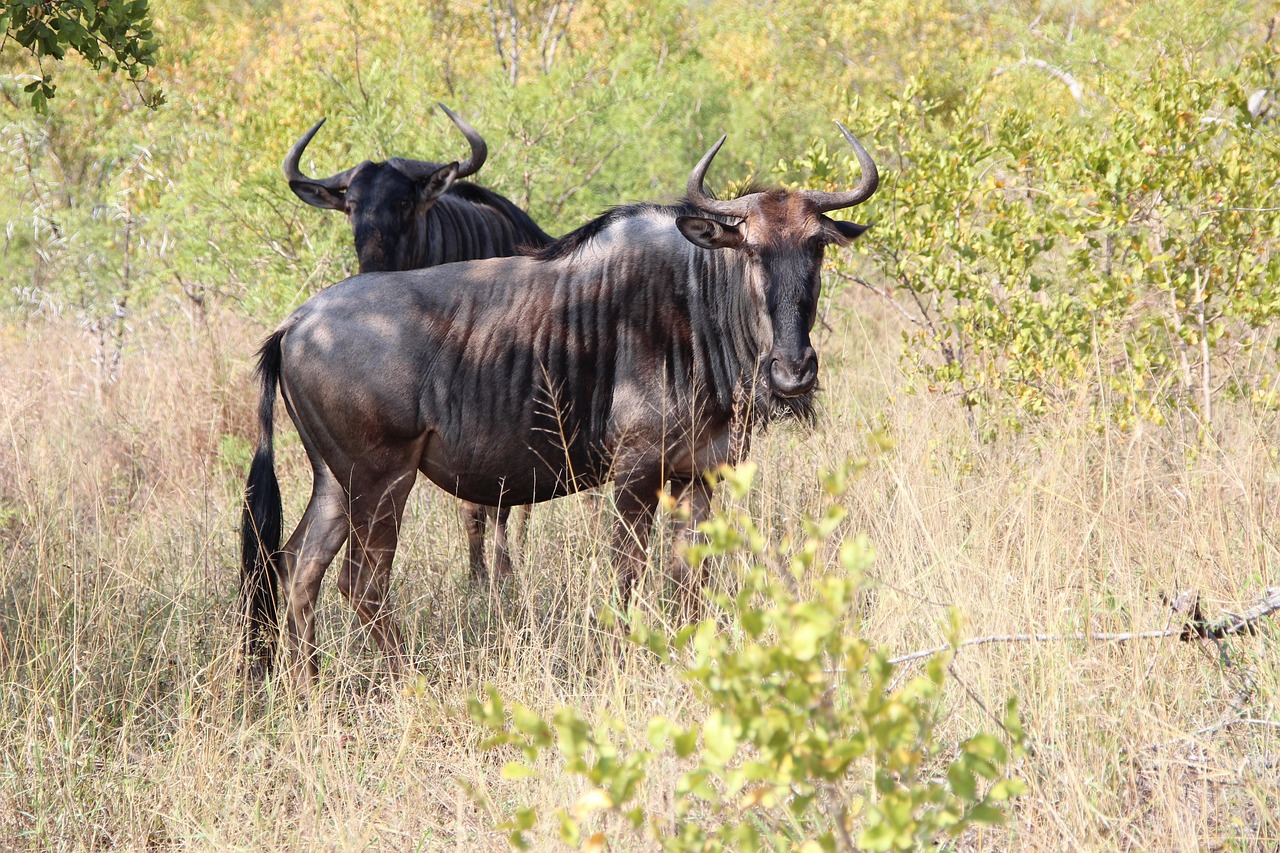
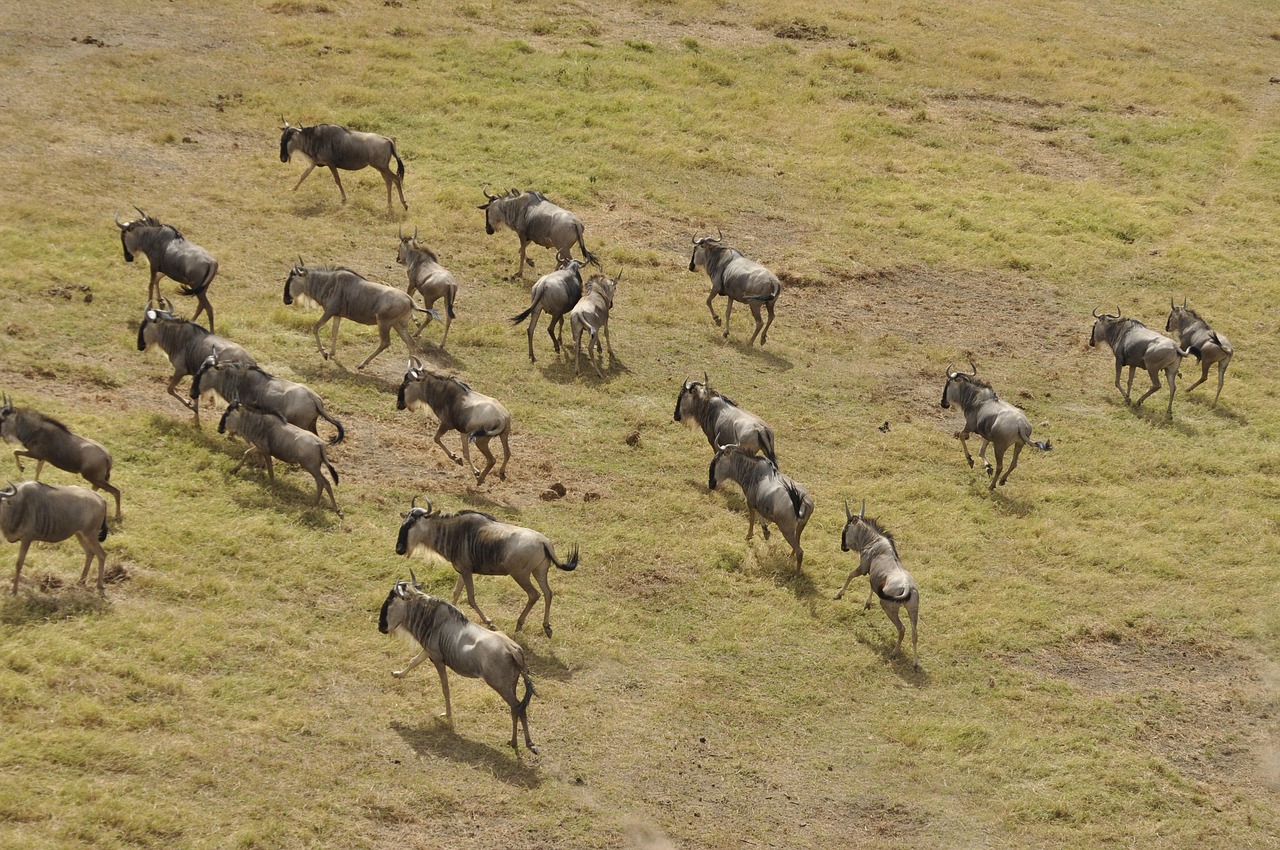
  • Other Species: Spotted hyenas, cheetahs, zebras, wildebeests, hippos, flamingos (seasonal), and over 500 bird species.

Unlike other safari areas, the crater floor’s relatively small size makes wildlife easy to spot without long drives.


Highlights of Ngorongoro Crater Safari

1. Game Drives

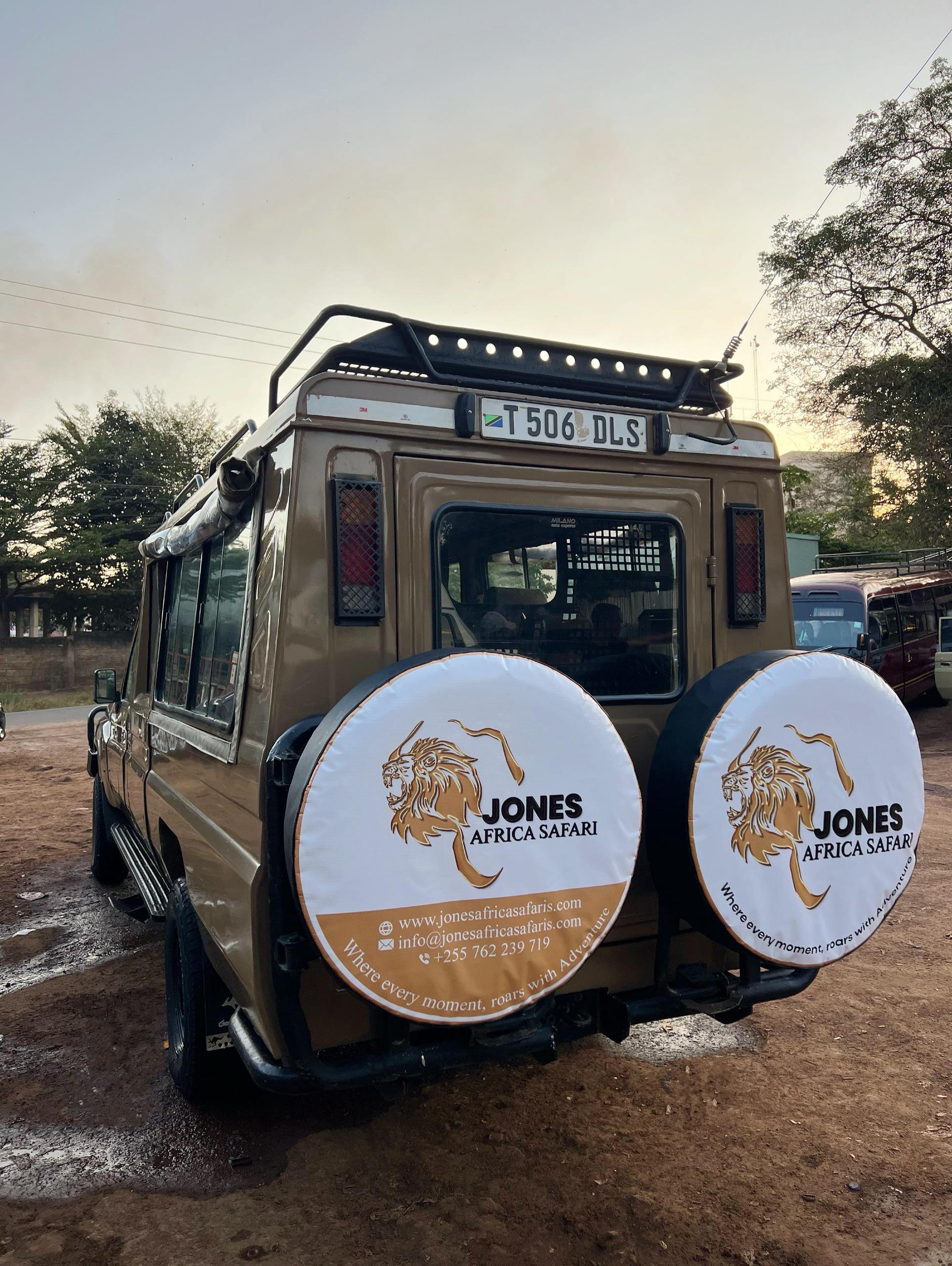
  • The crater floor is accessible by 4×4 vehicles.

  • Early morning drives offer the best chance to see predators hunting.

  • Wildlife tends to cluster around waterholes, making sightings predictable and abundant.

2. Rhino Spotting

  • Ngorongoro is one of the few places in Tanzania where black rhinos can be reliably seen.

  • They inhabit the dense forested areas on the crater floor.

3. Bird Watching

  • Seasonal flamingos and thousands of other bird species make this a paradise for bird lovers.

  • Crater lakes and grasslands provide excellent feeding grounds.

4. Maasai Culture

  • Maasai communities live within the NCA, allowing visitors to learn about their traditional lifestyle.

  • Cultural visits often include village tours and interactions with local herders.


Best Time to Visit Ngorongoro

SeasonWeather & Wildlife ActivityHighlights
Dry Season (June–October)Sunny, minimal rain, easy game spottingPredators hunting, clear views from crater rim
Short Rains (Nov–Dec)Afternoon showers, greener landscapesMigration moves south, fewer tourists
Wet Season (Jan–May)Heavy rains, lush sceneryBirdwatching, fewer crowds, lower accommodation rates

The dry season is ideal for most visitors because wildlife congregates around water sources, making them easier to spot.


Visiting Tips for Ngorongoro Crater

  1. Arrive Early – Entering at sunrise maximizes wildlife sightings.

  2. Hire a Local Guide – Essential for spotting animals and understanding the ecosystem.

  3. Pack Accordingly – Warm clothing for mornings, sun protection, and sturdy shoes.

  4. Combine with Serengeti – Many safaris include both Serengeti and Ngorongoro for a complete Northern Circuit experience.

  5. Respect Local Rules – Follow park regulations and maintain safe distances from wildlife.


Accommodation Options

  • Luxury Lodges: Rim-side lodges with stunning crater views and modern amenities.

  • Tented Camps: Mid-range options offering an authentic safari experience.

  • Budget Lodges: Located in nearby Karatu, suitable for travelers on a budget.

Some lodges also offer guided crater rim walks or cultural experiences with the Maasai.


Why Ngorongoro Crater is Unique

  • Largest Unbroken Caldera in the World – Offers a unique ecosystem contained within volcanic walls.

  • Diverse Wildlife – High density of animals makes it one of the easiest parks for guaranteed sightings.

  • Accessibility – Close proximity to Arusha and Serengeti allows for short safaris without long drives.

  • Cultural Heritage – Integration of Maasai communities provides a unique cultural dimension to the safari.

The Ngorongoro Crater is more than just a safari destination—it’s a living laboratory of nature and culture, making it one of the most remarkable places to visit in Tanzania.

Our Gallery:

Edit Template